LGBTQ Glossary: Terms & Definitions
LGBTQ Glossary: Terms & Definitions
A clear, accessible guide to LGBTQ identities, terminology, and language.
You can quickly leave this website by clicking the “X” in the top right or by pressing the Escape key twice.
To browse this site safely, be sure to regularly clear your browser history.
When people hear “gender-affirming care for youth,” they often think surgery or medication. That assumption doesn’t capture the full picture.
Most gender-affirming care for youth is about support, not medical treatment.
There’s a lot of confusion—and a lot of fear—around “gender-affirming care for youth.” Much of what circulates online suggests it automatically means medication, surgery, or irreversible medical intervention. That’s simply not true.
Gender-affirming care is a broad, evidence-based approach focused on supporting a young person’s well-being. For the vast majority of youth, it involves listening, understanding, and affirming who they say they are—not medical treatment.
We break down what gender-affirming care actually looks like, using clear language and trusted research.
This short video was created in response to the most common questions and misconceptions we see, especially the belief that gender-affirming care always involves medication or surgery.
For most children and adolescents, gender-affirming care includes:
In other words:
It’s about care, not coercion. Support, not pressure.
Despite common claims, gender-affirming care for youth rarely involves:
Medical interventions are uncommon, carefully regulated, and typically reserved for older adolescents after thorough evaluation.
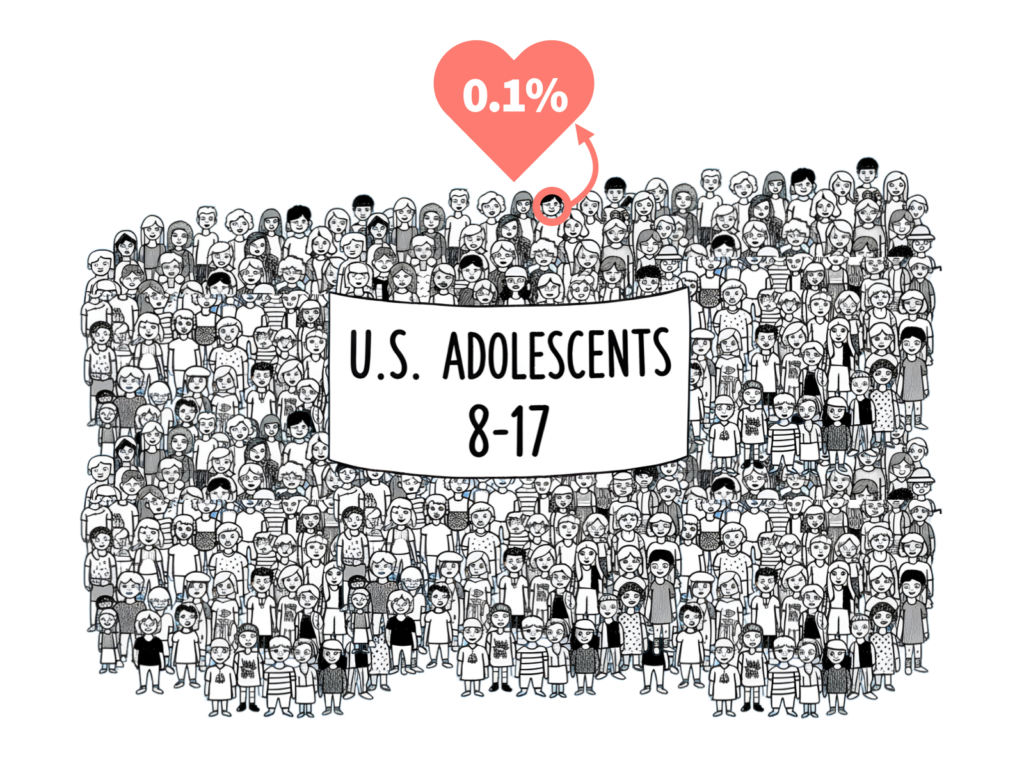
According to research summarized by Harvard T.H. Chan School of Public Health, gender-affirming medications are rarely prescribed to U.S. adolescents.
The data show that the overwhelming majority of youth receiving gender-affirming care receive no medical intervention at all.
A major study published in JAMA Pediatrics found that prescriptions for puberty blockers and hormones among adolescents are very uncommon, even among those diagnosed with gender dysphoria.
What is common—and supported by decades of evidence—is the benefit of:
These factors are associated with better mental health outcomes and lower risk of depression and self-harm.
When young people are affirmed and supported:
Gender-affirming care doesn’t “push” children toward an identity. It gives them the space to be honest about who they are—and the safety to grow.
If you’re a parent trying to understand this topic, it’s okay to feel overwhelmed. Many families arrive here with questions, fear, or conflicting information.
Learning what gender-affirming care actually is can be the first step toward supporting your child—and yourself—with clarity instead of fear.
You don’t have to have all the answers.
You just have to stay connected.
PFLAG San Francisco offers resources and a monthly support group for parents, families, and LGBTQ+ youth seeking understanding and community.
Learn More About Our Support Group
Gender-affirming care is not about rushing decisions.
It’s not about medicalizing childhood.
It’s about care.
It’s about listening.
It’s about helping young people survive—and thrive.